1. Executive Summary
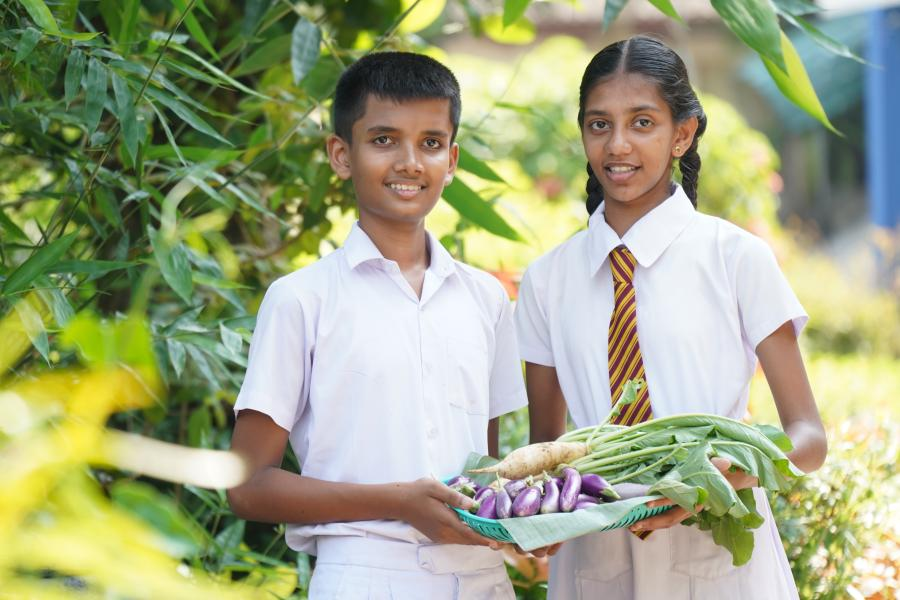
This proposal outlines a two-year community-based poverty alleviation initiative targeting 2,000 vulnerable individuals across five Sri Lankan districts: Colombo, Gampaha, Anuradhapura, Galle, and Kegalle. The project aims to strengthen household resilience through livelihood support, skills training, and access to basic social protection. With a total funding request of USD 50,000, the program seeks to promote sustainable income opportunities and empower local communities, aligning with Sri Lanka’s national poverty reduction agenda and the UN Sustainable Development Goals (SDGs).
2. Background and Justification
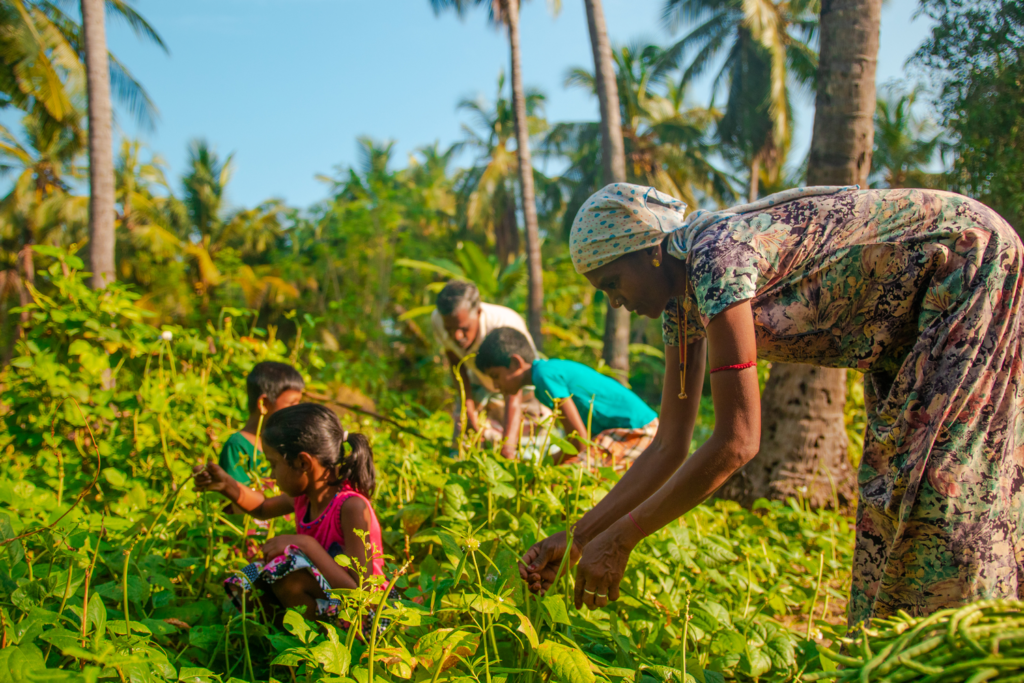
Poverty in Sri Lanka is increasingly localized, with urban poor in Colombo and Gampaha, rural farming families in Anuradhapura, and underemployed youth in Galle and Kegalle facing economic insecurity. These populations struggle with limited livelihood options, rising living costs, and inadequate access to training and services.
This project is designed to provide targeted, low-cost, high-impact interventions that address the root causes of poverty at the community level.
3. Objectives
Overall Goal:
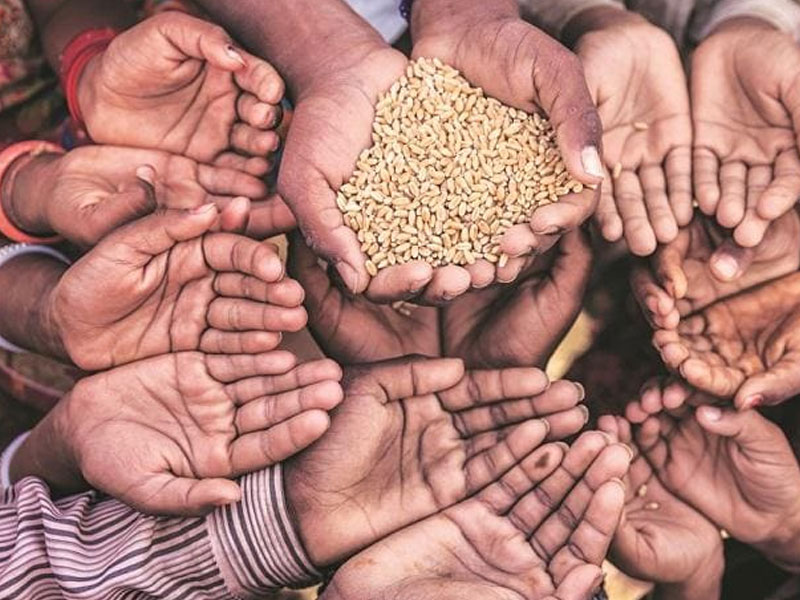
To reduce poverty and increase economic self-sufficiency among vulnerable individuals in five Sri Lankan districts.
Specific Objectives:
- Provide market-relevant skills training to unemployed and underemployed individuals.
- Support the development of micro-enterprises and income-generating activities.
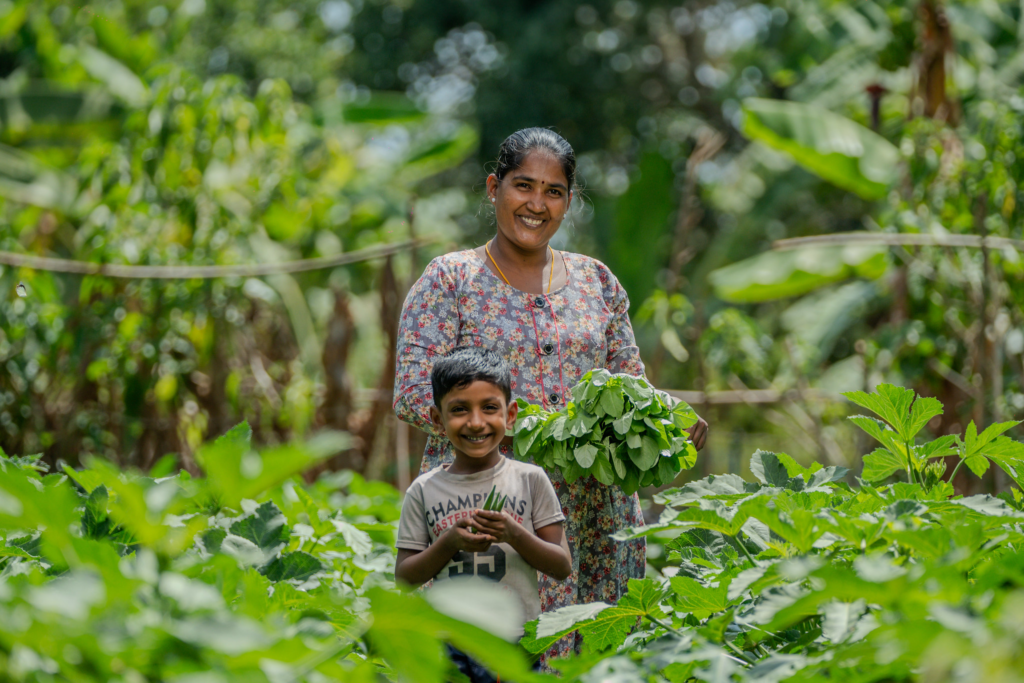
- Improve food security and reduce household expenses through home gardening.
- Facilitate access to public welfare and social protection programs.
4. Target Beneficiaries
Total Direct Beneficiaries : 5,000 individuals
Target Groups : Women-headed households,unemployed youth,
informal workers,rural farmers
Geographic Focus : Colombo, Gampaha, Anuradhapura,
Galle, Kegalle
5. Key Components and Activities
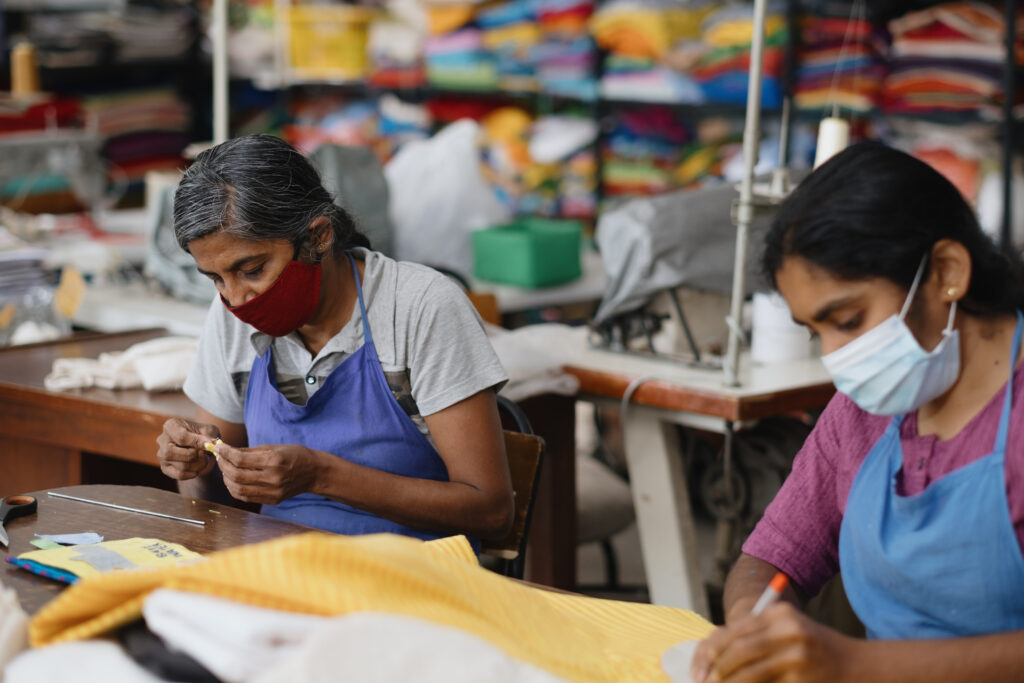
1. Livelihood Skills Training – Short courses in areas like sewing, food processing, digital literacy
– Partner with local vocational institutes
– Basic business skills training
2. Micro-Enterprise Support – Micro-grants (~$100–$300 per business)
– Group mentoring and peer support
– Market linkage facilitation
3. Household Food Security – Starter kits for home gardens
– Training on organic methods and low-cost irrigation
– Community garden models in schools or temples
4. Social Protection Access – Help desks and outreach sessions
– Guidance to access Samurdhi, disability grants, etc.
– Awareness on gender rights and services
6. Implementation Plan
Duration: 24 months
Approach: Community-based delivery with support from local partners and volunteers
Phases:
- Months 1–3: Baseline survey, stakeholder engagement, beneficiary selection
- Months 4–18: Training and livelihood interventions
- Months 19–24: Follow-up, mentoring, evaluation, and reporting
7. Budget Summary (Indicative)
| Description | Budget |
| Skills Training & Materials | $30,000 |
| Micro-Grants & Livelihood Kits | $40,000 |
| Home Gardening & Food Security | $10,000 |
| Outreach & Access to Social Services | $6,000 |
| Monitoring & Evaluation | $6,000 |
| Administration & Coordination | $8,000 |
Total Budget: $1,00,000
8. Monitoring and Evaluation
A simple yet effective Monitoring and Evaluation (M&E) framework will track progress and outcomes, including:
- Number of individuals trained and income-generating activities started
- Number of households with functional home gardens
- Percentage increase in household income
- Beneficiary satisfaction and feedback
- Regular reporting and a final impact review will be shared with the donor.
9. Sustainability
The project prioritizes low-cost, sustainable activities. Beneficiaries will be equipped with practical skills and tools for long-term self-sufficiency. Local trainers and volunteers will be involved to reduce dependency and ensure continuity. Micro-enterprise groups will be linked with local cooperatives and community banks for post-project support.
10. Conclusion
This focused, cost-effective project represents an opportunity to directly impact the lives of 2,000 vulnerable individuals in five districts. With donor support, Life 4 U Foundation is ready to implement a scalable and replicable model of poverty alleviation that delivers lasting change